

At Smile Express Family Dentistry, our priority is keeping you comfortable while protecting the long-term health of your smile. Tooth removal is never the first option, but when a tooth is beyond repair or threatens surrounding structures, extraction becomes the most responsible and predictable treatment. We focus on clear communication so you understand why extraction is recommended and what comes next.
Every extraction begins with a careful review of your medical and dental history, an oral exam, and any needed imaging. That assessment helps us choose the safest approach for your individual case and lets us discuss anesthesia or sedation choices to manage discomfort and anxiety. Our goal is to help you feel calm and confident from consultation through recovery.
When possible, we coordinate treatment planning so extraction dovetails with your overall dental goals — whether that means preserving neighboring teeth, preparing for orthodontic work, or planning a restorative replacement. We’ll explain the options and timelines so you can make an informed decision that suits your health and lifestyle.
Persistently retained baby teeth or damaged deciduous teeth
Most primary teeth fall out on their own as permanent teeth erupt, but sometimes a baby tooth stays firmly in place or becomes fused to the jawbone. When a retained primary tooth interferes with normal development or blocks the eruption of the permanent tooth, extracting the baby tooth helps ensure proper alignment and growth.
Permanents that cannot be restored due to extensive decay
Cavities begin at the enamel and, if untreated, can progress into the deeper layers of the tooth. When structural damage or infection has destroyed too much tooth to support a filling or crown, removal is the safest way to prevent further spread of disease and protect your overall oral health.
Severe fractures or cracks that compromise the tooth
Teeth can fracture in many ways. If a crack or break reaches the root or leaves too little stable structure to restore, keeping the tooth in place may do more harm than good. Extraction eliminates a source of pain and potential infection in those cases.
Advanced periodontal disease weakening the tooth’s support
When gum disease progresses, bone and soft tissue that anchor teeth can be lost. Teeth that become loose or non-functional due to this tissue loss sometimes need to be removed to stop ongoing infection and make it easier to treat surrounding teeth and tissues.
Problematic wisdom teeth — impacted, misaligned, or decayed
Third molars often arrive without adequate space, which can cause impaction, decay, or damage to nearby teeth. Removing troublesome wisdom teeth when they pose a clear risk is frequently recommended to prevent pain and future complications.
Extractions as part of orthodontic planning
In some orthodontic cases, removing select permanent teeth creates the room needed to achieve a stable, well-aligned bite. When orthodontic treatment calls for extractions, we coordinate timing and planning with your orthodontist to support the best aesthetic and functional outcome.

Preparation starts with a full review of your health history and any medications you take. Certain medical conditions or drugs can affect how we approach extraction, so it’s important to share accurate information. If necessary, we may request medical clearance or recommend steps such as pre-procedure antibiotics to reduce infection risk.
Imaging, including digital radiographs, lets us see a tooth’s root shape and position and evaluate surrounding bone. These images guide whether a straightforward removal is likely or if a more complex surgical approach will be required. We’ll explain the plan and answer your questions before treatment begins.
Comfort is central: local anesthesia reliably numbs the area for most extractions, and for patients who prefer additional calming options, we discuss sedation choices. Our focus is on minimizing discomfort and ensuring a controlled, efficient procedure tailored to your needs.
Simple extractions apply when the tooth is visible in the mouth and the roots are accessible. After numbing the area, the dentist loosens the periodontal ligaments and uses forceps to remove the tooth. These procedures are typically quick, and patients often return to normal activities within a day or two with basic home care.
A surgical extraction is a more involved way of removing a tooth that cannot be lifted out with forceps alone. It is a routine procedure, and we explain each step before we begin so you know what to expect.
After the area is numbed with local anesthesia, a small incision is made in the gum. Sometimes a small amount of bone is removed, or the tooth is divided into sections, so it can come out safely. The area is then cleaned and cared for, and you will receive clear instructions for healing at home. If you would like extra comfort, we can discuss sedation options. In more complex cases, we may refer you to an oral and maxillofacial surgeon.

Most people experience predictable healing after an extraction. In the first 24 to 48 hours, controlling bleeding, managing swelling, and avoiding activity that could dislodge the clot are the priorities. We provide tailored post-operative instructions and explain how to take prescribed or over-the-counter medications safely.
Keeping the extraction site undisturbed while it begins to clot is essential. That means avoiding rinsing forcefully, spitting, or using straws during the initial healing phase. Gentle oral hygiene is encouraged away from the site, and a warm saline rinse is often recommended after the first day to keep the area clean.
If your procedure required sutures, a complex approach, or if there were pre-existing health concerns, we may schedule a follow-up visit to check healing and remove stitches as needed. Contact us promptly if you notice heavy bleeding that won’t stop, worsening pain, or signs of infection so we can assess and intervene if necessary.
Maintain gentle pressure with gauze
We place gauze over the surgical site to encourage clotting. Bite down gently and keep the pad in place as directed. If bleeding continues, replace the gauze per instructions and maintain pressure; minor oozing can be normal for up to 24 hours.
Protect numb tissues until sensation returns
Avoid chewing or touching the area while anesthesia is active to prevent accidental bites to the lips, tongue, or cheek.
Follow medication directions
Antibiotics:
If prescribed, complete the full course to reduce infection risk and support healing.
Pain control:
Taking an appropriate pain reliever before the anesthetic fully wears off can ease initial discomfort. Use prescription medications only as directed and consider non-aspirin OTC options if recommended.
Preserve the blood clot
Avoid spitting, rinsing vigorously, or using straws for the first day or two. Dislodging the clot can cause a painful condition called dry socket and delay healing.
Control swelling with ice
Apply an ice pack intermittently during the first 24 hours to reduce swelling — short, repeated intervals are most effective.
Avoid tobacco
Smoking or using tobacco products can interfere with clot formation and healing. Steer clear of tobacco for at least the first week after extraction.
Stick to soft foods at first
Choose cool, soft foods in the days after surgery and avoid spicy, crunchy, or hot items until the area has healed sufficiently.
Keep up gentle oral hygiene
Brush nearby teeth carefully and use a mild saline rinse to refresh the mouth after the initial post-op period — but do not rinse forcefully.
Attend follow-up appointments
If a follow-up visit is scheduled to monitor healing or remove sutures, please keep that appointment so we can confirm proper recovery.
If you notice increasing pain, swelling that worsens after a couple of days, a persistent bad taste, or other concerning symptoms, reach out to our team for guidance.
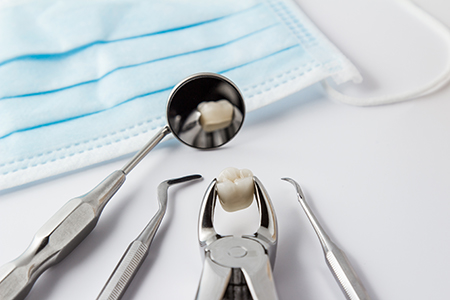
Losing a tooth can affect chewing, speech, and how your smile looks. In many cases, we discuss replacement options before extraction so you can plan next steps with minimal disruption. Choices may include dentures, fixed bridges, or dental implants. Each option has different benefits depending on the number of missing teeth, bone health, and your personal goals.
Dental implants are the most similar to natural teeth in feel and function, as they replace both root and crown. Bridges and dentures remain reliable choices when implants aren’t appropriate or when a quicker solution is preferred. We’ll review the pros and cons, the timeline for healing before placement, and any preparatory steps needed to support a durable restoration.
When extraction is part of a larger treatment plan — for example, to prepare for orthodontic movement or full-mouth restoration — we coordinate care so replacement happens at the most effective time for long-term success.
Our team combines experienced clinical care with a practical, patient-centered approach. We emphasize gentle technique, clear explanations, and individualized treatment plans to help each person recover comfortably and maintain oral health. When extraction is recommended, you can expect careful planning and follow-through to protect your smile.
We work with patients of all ages and coordinate with specialists when cases require advanced surgical skill or complex restorations. If reconstructing the area with a bridge, denture, or implant is part of your plan, we’ll outline next steps and timing so you know what to expect.
From the moment extraction is discussed through recovery and replacement, our focus is on predictable outcomes and your long-term well-being. We aim to make the process as straightforward and stress-free as possible for everyone we serve.
In summary, tooth extraction is a common, safe dental procedure when performed for the right reasons and followed by proper care. If you have questions about whether extraction is necessary, what the procedure entails, or how best to replace a missing tooth, please contact us for more information.
Extraction is recommended when a tooth is beyond repair or poses a risk to nearby teeth and tissues. Indications include extensive decay, severe fracture, persistent infection, or a tooth that is blocking normal development. Decisions begin with a review of your medical and dental history and appropriate imaging to assess root position and bone support.
At Smile Express Family Dentistry we prioritize clear communication so you understand why extraction is advised and what to expect next. When possible, we align extraction timing with your overall treatment goals, such as orthodontic planning or restorative replacement. We will explain alternatives and help you choose the option that best protects your oral health.
The decision between a simple and a surgical extraction depends on the tooth's position, root anatomy, and whether the crown is accessible. A simple extraction applies to teeth that are fully erupted and can be grasped with forceps after local anesthesia. Imaging helps determine if roots are curved, impacted, or if bone removal might be necessary.
Surgical extractions involve small incisions, possible removal of bone, and sometimes sectioning the tooth into pieces to allow safe removal. These procedures may be performed in the dental office or by an oral surgeon if complexity or medical concerns warrant referral. Our team will review the treatment plan and sedation options so you understand the expected process and recovery.
Local anesthesia is used in most cases to numb the treatment area and prevent pain during extraction. For patients with anxiety or for more complex surgical cases we offer sedation options that can include nitrous oxide, oral sedatives, or monitored intravenous sedation based on clinical assessment. We tailor the approach to your medical history, anxiety level, and the planned procedure to maintain safety and comfort.
Before sedation we provide specific pre-procedure instructions, including whether you should arrange transportation home and how to prepare for the appointment. It is important to share your full medication list and medical conditions so we can select the safest anesthesia plan for you. All sedation is administered with monitoring protocols to support a safe, controlled experience.
Your appointment begins with a focused exam, a review of medical information, and any necessary radiographs to confirm the plan. After discussing anesthesia or sedation choices, the dentist will numb the area and proceed with either a simple or surgical technique as indicated. Most straightforward extractions are quick, and the actual removal often takes only a few minutes once anesthesia is effective.
Following the procedure we give clear post-operative instructions covering bleeding control, pain management, and home care. You may be observed briefly in the office to ensure initial recovery is uneventful before going home. If sutures were placed or a complex removal was performed we will schedule follow-up to check healing and remove stitches as needed.
To promote healing keep gentle pressure with gauze on the surgical site until the bleeding subsides and avoid actions that could dislodge the clot. Do not rinse vigorously, spit, or use straws during the first 24 to 48 hours, and avoid smoking because it can interfere with clot formation. Apply intermittent ice to the outside of the cheek during the first day to minimize swelling and take pain medication as directed.
Stick to cool, soft foods for the first few days and avoid chewing on the side of the extraction until healing progresses. Maintain gentle oral hygiene away from the surgical site and begin warm saline rinses after the initial 24 hours to keep the area clean. If a follow-up visit is scheduled keep that appointment so the clinician can confirm proper healing and remove sutures when appropriate.
Most extractions heal without complications, but potential issues include persistent bleeding, increasing pain, swelling that worsens after a couple of days, or signs of infection such as fever or foul taste. A condition called dry socket can occur if the blood clot is dislodged and typically causes a sudden increase in discomfort a few days after extraction. Numbness that lasts longer than expected or difficulty breathing or swallowing are less common but require immediate attention.
Contact our office promptly if you experience heavy bleeding that does not respond to pressure, worsening pain, persistent fever, or new numbness. Early assessment allows us to address problems quickly, whether that means additional care in the office or coordination with a specialist. When in doubt, reach out for guidance so we can help you through the recovery process.
In many cases we discuss replacement options before extraction so you can plan a timely restoration that meets your functional and aesthetic goals. Common choices include fixed bridges, removable dentures, and dental implants, each of which has different requirements regarding bone health and timing after extraction. Dental implants replace both the root and crown and often provide the most natural feel and stability when conditions are favorable.
Timing for replacement depends on factors such as the presence of infection, bone volume, and whether additional grafting is needed to support a restoration. The team at Smile Express Family Dentistry will review whether immediate placement is appropriate or if a healing interval is recommended. Together we will choose a restoration schedule that supports predictable, long-term results.
Preparing medically for extraction begins with a complete disclosure of your medical history, current medications, and any allergies so the clinician can assess risks and make safe choices. Certain conditions or medications may require medical clearance or special precautions before the procedure. We may recommend pre-procedure antibiotics in select situations to lower infection risk according to current guidelines.
Follow any instructions about medication management and preoperative fasting or arrival times that we provide for your specific sedation plan. If you take blood thinners or have a heart condition, we will coordinate with your physician to determine the safest approach. Providing accurate information and following preparatory guidance helps minimize complications and supports a smoother recovery.
Extractions for children are common, including removal of retained primary teeth, teeth with extensive decay, or teeth that interfere with proper development. We tailor care to a child's needs by using age-appropriate communication, gentle techniques, and sedation options when necessary to ensure safety and comfort. Radiographs and a careful exam guide the decision to extract and help us plan for any future orthodontic or restorative needs.
Parents receive clear post-operative instructions focused on pain control, diet, and activity to support healing in younger patients. We also discuss long-term planning, such as monitoring eruption of permanent teeth and coordinating care with pediatric dentists or orthodontists when indicated. Your active involvement and accurate medical information help the dental team provide safe, effective care for children.
When extractions are part of orthodontic or restorative treatment careful timing is essential to achieve the desired outcome. For orthodontics, removing specific teeth can create space needed to align the bite, and we coordinate with your orthodontist so timing supports movement and stability. For restorative plans that include implants or bridges, extraction timing may be coordinated to preserve bone and soft tissue or to allow for grafting when necessary.
We communicate with other specialists and your care team to create a cohesive plan that minimizes treatment interruptions and supports predictable results. Discussing the overall treatment pathway before extraction lets you understand the sequence, expected healing times, and how each step contributes to the final restoration. Coordination reduces surprises and helps ensure the long-term success of orthodontic or restorative goals.
Quick Links
