

Missing teeth change more than your smile — they alter how you chew, how your face appears over time, and how you feel about yourself. Whether tooth loss happened gradually or suddenly, modern implant dentistry offers a predictable way to rebuild both function and appearance. Dental implants act as stable anchors that allow replacement teeth to perform much like natural teeth, helping patients regain normal eating patterns and clearer speech.
Beyond function, implants preserve the jawbone. When a tooth is lost, the surrounding bone receives less stimulation and can thin or recede, changing facial contours. Because implants restore support beneath replacement teeth, they help maintain the bone that keeps your face looking natural and proportionate. That preservation is a key reason many patients choose implants when long-term oral health is a priority.
Our approach focuses on carefully matching implant solutions to each patient's needs — from single-tooth replacements to full-arch restorations. At Smile Express Family Dentistry, we combine clinical experience and digital planning tools to recommend treatments that balance durability, comfort, and esthetics.

Dental implants are designed to mimic the part of your tooth that you can’t see — the root. A small, biocompatible post is positioned in the jaw and, once integrated with bone, supports a crown, bridge, or denture. This foundation gives replacement teeth stability that closely resembles a natural tooth and reduces the chance of movement while eating or speaking.
Unlike removable options that rely on suction or adhesives, implant-supported restorations provide a firm attachment that feels more like your own teeth. That stability allows for a wider range of dietary choices and restores confidence when talking or smiling in social settings. For many patients, returning to normal chewing without concern is one of the most meaningful benefits of treatment.
Because implants work beneath the gumline, they also protect nearby teeth. In many cases a single implant can replace a missing tooth without altering healthy adjacent teeth, preserving more of your natural structure for the future.
The success of an implant depends on osseointegration — the process where bone grows around the implant and secures it in place. This biological bonding makes implants exceptionally stable and long-lasting when properly planned and cared for. The timeline for integration varies with the site, bone quality, and the type of restoration being placed, and your clinician will tailor the sequence of treatment to your individual situation.
Implants are widely chosen because they address several shortcomings of traditional tooth replacement methods. They stabilize chewing forces and restore bite efficiency, which preserves jaw health and reduces strain on neighboring teeth. Where removable dentures can lead to dietary limitations and slippage, an implant-supported solution typically restores far greater comfort and function.
Long-term success is supported by both material science and clinical technique. High-quality implant systems and proven surgical protocols have raised reliability, and routine dental care helps maintain stability for many years. For patients who want an option that prioritizes lasting oral health and natural feeling, implants often stand out as the preferred choice.
Each patient’s anatomy and health history guides our recommendations. We evaluate jawbone health, gum condition, overall medical status, and lifestyle factors to select the most appropriate implant approach — from a single crown to full-arch replacements — and explain what to expect during healing and maintenance.
There are several practical advantages that make implants attractive for tooth replacement. They protect facial structure, reduce the need to alter neighboring teeth, and eliminate many of the functional limitations associated with removable prostheses. Because implants restore normal biting forces, they help keep the jawbone healthy and the smile balanced for the long term.
With proper oral hygiene and routine dental visits, implant restorations can remain stable and functional for many years. Their resilience against decay and the protection they offer nearby teeth also contribute to their value as a restorative option for appropriate candidates.
Choosing implants often means fewer compromises in daily life — whether enjoying favorites foods or speaking in professional and social situations — and that return to normalcy is a primary motivator for many people considering implant dentistry.

Successful implant therapy begins with careful planning. We use a combination of clinical exams, digital imaging, and detailed treatment planning to determine the ideal implant positions and the most effective type of restoration. This phase helps identify any preparatory steps, such as extractions or bone grafting, so the final result will be both functional and esthetic.
Surgical placement of implants is usually performed in an outpatient setting. The procedure is typically well-tolerated and can be done using local anesthesia with optional sedation for patients who prefer it. After placement, implants undergo a healing period during which bone bonds to the implant surface — this integration is the foundation for long-term stability.
Depending on the case, temporary teeth may be provided to maintain appearance and function during healing. Once integration is complete and the surrounding structures are healthy, the final crowns, bridges, or dentures are fabricated and attached for a natural-looking finish.
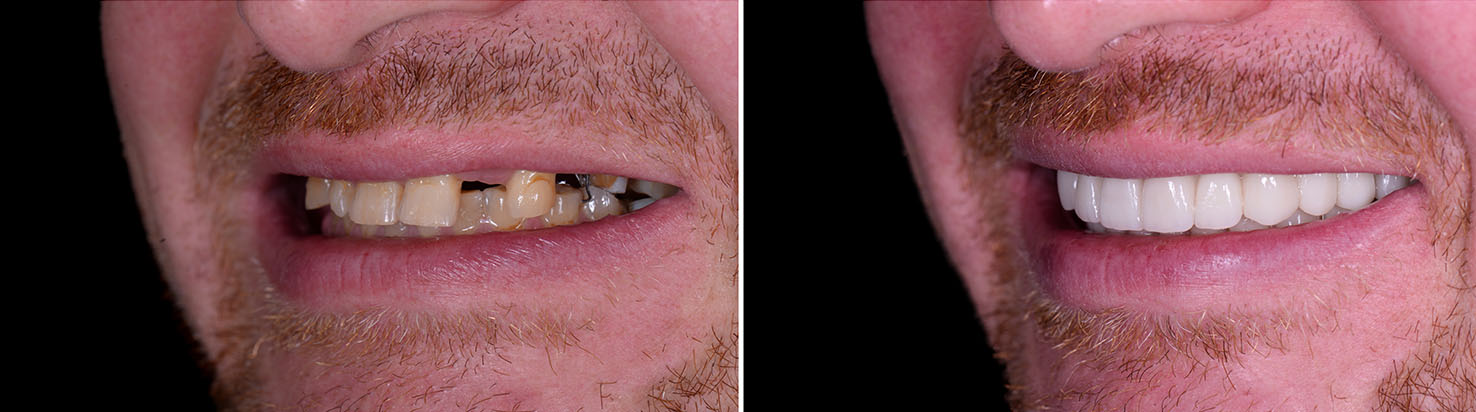
Some patients require preparatory work to create a stable foundation for implants. Bone grafting restores lost jaw volume and provides the support necessary for predictable implant placement. Grafting materials and techniques have advanced considerably, allowing reconstruction in many situations where bone loss might previously have limited options.
Decisions about grafting, sinus lifts, or staged approaches are made after a comprehensive evaluation. These adjunctive procedures are focused on ensuring long-term success and are planned to minimize discomfort while maximizing predictable outcomes.
Every smile is unique, and the best implant solution reflects a patient’s anatomy, goals, and health. We create individualized treatment plans that balance esthetic expectations, functional needs, and long-term oral health. Open communication about the process and careful coordination of each step helps patients feel informed and confident throughout treatment.
Follow-up care is an important component of implant success. Regular dental visits, good oral hygiene, and attention to overall health help protect your investment in oral health for years to come. Our team emphasizes preventive guidance so patients understand how to care for their implant-supported restorations effectively.
If you are considering implants or want to explore whether they are right for you, our team is ready to answer your questions and review your options. Contact Smile Express Family Dentistry to learn more about implant dentistry and how it might restore your smile and oral function.
Dental implants are small biocompatible posts that replace missing tooth roots and provide a stable foundation for crowns, bridges, or dentures. Once placed in the jaw, implants rely on bone to grow around them and secure the post, allowing the restoration to function much like a natural tooth. By restoring support beneath the gumline, implants help preserve facial contours and improve chewing and speech.
Implant-supported restorations differ from removable options because they anchor directly to the jaw, reducing movement and the need for adhesives. This stability often lets patients resume a broader diet and speak with greater confidence. In many cases a single implant can replace a missing tooth without altering adjacent healthy teeth.
Good candidates for dental implants are adults in generally good health who have sufficient bone to support an implant or who are willing to undergo preparatory procedures such as bone grafting. The care team will evaluate gum health, medical history, and habits such as smoking that can affect healing and long-term success. Age alone is not a limiting factor; clinical considerations and overall health guide candidacy.
A comprehensive clinical exam and imaging help determine whether implants are appropriate and which implant option best meets a patient’s needs. For patients with chronic conditions, coordination with a physician may be recommended to ensure safe treatment. If implants are not suitable, other restorative options like bridges or dentures remain viable alternatives.
Osseointegration is the biological process by which bone grows and bonds to the implant surface, creating a durable connection that is essential for long-term stability. Successful integration depends on factors such as bone quality, surgical technique, and careful post-operative care, and it establishes the foundation for attaching crowns, bridges, or dentures. Your clinician will monitor healing and determine the appropriate time to place the final restoration based on integration progress.
Because the timeline for integration varies by site and individual health, treatment plans are tailored to each patient to optimize outcomes. During this period, temporary restorations may be used to maintain appearance and function while protecting the implant site. Good oral hygiene and following post-operative instructions support predictable osseointegration and reduce the risk of complications.
Implant therapy can address a single missing tooth, several missing teeth, or a full arch with options that include single-tooth implants, implant-supported bridges, full-arch fixed restorations, and implant-retained removable dentures. Single-tooth implants replace the root and crown without altering adjacent teeth, while implant-supported bridges and full-arch restorations use strategically placed implants to support multiple replacement teeth. Implant-retained dentures offer improved retention and comfort while remaining removable for cleaning.
The choice of restoration depends on anatomy, esthetic goals, function, and the patient’s personal preferences. Digital planning and imaging help determine ideal implant positions and the number of implants required. Your clinician will discuss the benefits and trade-offs of each option to develop a personalized treatment plan.
Treatment begins with a clinical exam and imaging to plan implant placement and identify any preparatory needs such as extractions or bone grafting. Surgical placement is typically performed in an outpatient setting using local anesthesia with optional sedation for patient comfort, and many patients tolerate the procedure well. After placement, a healing period allows osseointegration to occur before the final restoration is attached.
Temporary teeth may be provided to maintain appearance and function during healing, and follow-up visits monitor integration and soft tissue health. Once healing is complete and the implant is stable, impressions or digital scans are used to fabricate the final crown, bridge, or denture for a natural-looking finish. Clear communication about each step helps patients feel informed and prepared throughout the process.
Some patients require preparatory procedures, such as bone grafting or sinus elevation, to create a stable foundation for implant placement when jawbone volume is insufficient. Modern grafting materials and techniques allow predictable reconstruction in many situations where bone loss has occurred, restoring the support needed for successful implants. The need for grafting is determined through clinical evaluation and imaging during treatment planning.
When grafting or staged approaches are recommended, these procedures are coordinated to minimize discomfort and improve long-term predictability. Your clinician will explain the rationale for any adjunctive treatment, what to expect during healing, and how these steps contribute to the overall success of implant therapy. Careful planning reduces the likelihood of complications and supports optimal functional and esthetic results.
Daily oral hygiene and regular dental visits are essential to protect implant-supported restorations and surrounding tissues from infection and inflammation. Brushing twice daily, cleaning around restorations with interdental brushes or floss, and attending routine professional cleanings help maintain gum health and the stability of the implant. Avoiding tobacco and following any specific post-operative instructions contribute to long-term success.
Your dental team will provide individualized recommendations for at-home care and schedule periodic checkups to monitor the implant, restoration, and supporting tissues. Early detection of issues such as peri-implant mucositis allows prompt treatment and can prevent progression. Consistent maintenance supports the longevity and function of implant restorations.
Dental implants are a well-established, safe option when placed and maintained using appropriate clinical protocols. Longevity is influenced by factors such as oral hygiene, smoking, systemic health conditions, bite forces, and regular professional care rather than the implant itself. Using high-quality implant systems and following evidence-based surgical techniques also contributes to predictable outcomes.
While implants are not immune to complications, most issues can be minimized through careful planning, good oral hygiene, and routine monitoring. If problems arise, early intervention improves the chance of preserving the implant and surrounding structures. Discussing personal risk factors with your clinician helps set realistic expectations for long-term care.
Implants differ from traditional bridges and removable dentures by restoring support to the jaw and replacing the tooth root, which helps maintain bone and facial structure. Unlike bridges, implants usually do not require alteration of adjacent healthy teeth, and compared with removable dentures they offer greater stability and reduced movement during eating and speaking. Each option has clinical indications, and the best choice depends on anatomy, function, and patient preference.
Bridges and dentures remain valuable solutions for many patients, especially when surgical treatment is not feasible, but implants often provide superior long-term support for oral health and function. A careful evaluation of oral conditions and treatment goals will determine which approach offers the most appropriate balance of esthetics, durability, and maintenance. Your dentist will outline the clinical pros and cons to help you make an informed decision.
Begin with a consultation and comprehensive exam that includes digital imaging to assess bone, gum health, and overall medical considerations that influence implant candidacy. During this visit the care team will explain recommended options, any preparatory procedures that may be needed, and what to expect during healing and restoration. Bringing a list of medical conditions and medications helps ensure a thorough evaluation.
To explore implant treatment or schedule an evaluation, contact Smile Express Family Dentistry and speak with our team about next steps and available appointment times. A personalized treatment plan and clear communication help patients feel confident about their care and what to expect from implant therapy.
Quick Links
