

Preventive care is the single best way to protect your smile and avoid uncomfortable, costly problems down the road. Regular oral exams give your dentist and hygienist a chance to find small issues early, reinforce good home care habits, and create a personalized plan that keeps your teeth and gums healthy for years. Our team focuses on thorough, evidence-based exams that respect your time and your questions.
At your first comprehensive visit, we’ll begin by listening. A clear understanding of your medical history, current medications, and any concerns you have helps us tailor the exam and spot conditions that require special attention. This conversation is a key part of building a safe, effective plan for your care.
Next comes a detailed clinical evaluation. We examine each tooth, the surrounding gum tissue, and the bite to identify signs of decay, wear, or misalignment. The exam also includes a careful check of the soft tissues in the mouth, as well as an assessment of jaw function and the temporomandibular joints to screen for clenching, grinding, or TMJ-related symptoms.
Diagnostic images are taken when they add meaningful information. X-rays reveal issues that are not visible in a visual inspection — such as cavities between teeth, changes in bone level around teeth, or the position of developing teeth. Based on what we find, your care team will explain recommended next steps and help you choose the options that best meet your goals.

Oral health is closely linked to overall health. Inflammation and infection in the mouth can affect other systems in the body, and certain systemic conditions can first show signs in oral tissues. During an exam, we not only identify local dental concerns but also look for signs that might suggest a wider medical issue.
Common conditions such as persistent dry mouth, unusual ulcers, or changes in gum appearance can be early indicators of medications, nutritional issues, or underlying diseases. By recognizing these warning signs sooner, we can coordinate care with your medical providers when needed and help you pursue the appropriate follow-up.
Screening for oral cancer is a routine part of a complete exam. Our clinicians inspect the lips, tongue, floor of the mouth, and other soft tissues for lumps, color changes, or lesions that warrant further evaluation. Early detection of suspicious findings dramatically improves outcomes, which is why consistent exams are so important.
We also educate patients about lifestyle factors — such as tobacco use, diet, and oral hygiene habits — that affect both dental and systemic health. Small changes made early can reduce long-term risk and support better overall wellness.

Brushing and flossing at home are essential, but they can’t always remove every deposit or reach every surface. Professional cleanings remove hardened tartar and biofilm from areas that are difficult to access, reducing the bacteria that lead to cavities and gum disease. Regular visits keep these problems from gaining a foothold.
Checkups are also an opportunity to monitor trends. Small changes in gum health, tooth wear, or bite alignment can progress slowly over time; by tracking these signs at routine intervals, we can intervene early with conservative measures rather than delay until more extensive care is required.
For children and adolescents, routine exams serve a dual purpose: preventive care and developmental monitoring. Our team watches jaw and tooth development to determine if orthodontic guidance may be beneficial later. We focus on building healthy routines and positive experiences so young patients feel comfortable maintaining care as they grow.
At Smile Express Family Dentistry, our goal is to make each visit informative and productive. We take time to explain findings in plain language, demonstrate homecare techniques, and collaborate with you on a sensible schedule for follow-up and preventive treatments.
Visual inspection is essential, but imaging fills in the gaps. Dental radiographs let us examine the roots of teeth, the bone that supports them, and areas between teeth where cavities often begin. When used thoughtfully, these images are a safe and powerful diagnostic tool that improves accuracy and treatment planning.
Digital radiography is now standard in many offices because it produces high-quality images with less radiation than older methods. Digital images are available immediately, can be enhanced for clearer interpretation, and are easily stored in the patient record for future comparison — all of which help us provide faster, more precise care.
In select cases, three-dimensional imaging such as cone-beam computed tomography (CBCT) offers detailed views of the jaw, sinuses, and nerve pathways. This level of detail is particularly helpful for complex diagnoses and for planning surgical procedures, including implant placement, where precise anatomy matters.
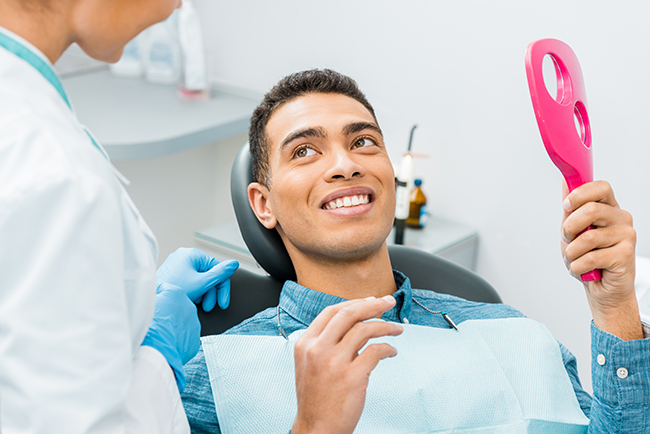
Different images serve different purposes. Bitewing x-rays focus on the crowns of the back teeth and are commonly used to check for decay between teeth. Periapical images capture an entire tooth—from crown to root—and are useful when evaluating root and bone health for a specific tooth.
Panoramic films provide a broad two-dimensional view of the entire jaw and are helpful for assessing overall dental development, detecting impacted teeth, and screening the jawbone. A full mouth series gives a comprehensive set of smaller images that together show every tooth in detail and is useful when a complete baseline is needed.
Choosing which images to take depends on your age, symptoms, and the clinical questions we need answered. We follow current guidelines to minimize exposure while gathering the information necessary for accurate diagnosis and long-term care.
When more complex visualization is required, 3D imaging can reveal relationships and structures that 2D films cannot. Your clinician will explain the reasons for any recommended imaging and how the results will influence your treatment plan.
Regular oral exams are the foundation of lifelong dental health. They let us detect problems early, maintain a healthy environment for your teeth and gums, and connect oral findings to overall wellness. If you’d like to learn more about what an oral exam involves or to discuss a care plan tailored to you, please contact us for more information.
A comprehensive oral exam is a head-to-toe assessment of the mouth and related structures meant to identify current problems and potential risks. The clinician inspects each tooth, the gums, the tongue, the roof and floor of the mouth, and the bite to detect decay, wear, inflammation, or developmental concerns. The exam also includes evaluation of jaw movement and the temporomandibular joints to screen for clenching, grinding, or other functional issues.
When indicated, the exam is supplemented by diagnostic imaging and a review of your medical history and medications to reveal conditions not visible during a visual inspection. Findings are discussed in plain language and used to build a personalized plan that prioritizes prevention and conservative care. This thorough approach helps clinicians recommend the most appropriate next steps for short- and long-term oral health.
Most adults and children benefit from an oral exam and professional cleaning every six months, which helps catch small problems early and maintain gum health. Patients with a history of gum disease, frequent cavities, medical conditions such as diabetes, or a history of dry mouth may need more frequent visits tailored to their risk. Your care team will recommend an interval based on clinical findings and your overall health profile.
Regular, appropriately timed exams allow clinicians to monitor trends like progressive attachment loss, tooth wear, or changes in bite alignment and intervene with conservative measures when necessary. Sticking to the recommended schedule reduces the likelihood of needing more extensive treatment later. Preventive visits also provide opportunities to reinforce homecare techniques and update any needed screenings.
Your first comprehensive visit begins with a conversation about your medical history, current medications, and any oral concerns so the clinician can tailor the exam safely and effectively. The clinical exam then evaluates teeth, gums, soft tissues, and jaw function, and identifies signs of decay, infection, or other abnormalities that require follow-up. Diagnostic images are taken when they add meaningful information, such as bitewing x-rays to check for interproximal cavities or periapical images to assess root and bone health.
At the conclusion of the exam you will receive a clear explanation of findings and recommended next steps, including conservative preventive measures and any necessary restorative treatment. The clinician will answer your questions and outline a sensible schedule for follow-up visits or referrals if specialized care is needed. This initial assessment establishes a baseline record to track changes over time.
Dental x-rays are recommended when visual examination alone cannot answer clinical questions, such as detecting cavities between teeth, evaluating bone levels, or assessing the roots of a tooth. Bitewing x-rays and periapical images are common two-dimensional tools that provide focused information for specific concerns, while panoramic films offer a broad view of the jaws and developing dentition. The choice of images depends on your age, symptoms, and the diagnostic needs identified during the clinical exam.
Cone-beam computed tomography (CBCT) may be used selectively for complex cases where three-dimensional detail improves diagnosis or treatment planning, such as implant placement or evaluating impacted teeth. Clinicians follow current guidelines to minimize radiation exposure while obtaining the images necessary for accurate care. Your clinician will explain why a particular type of imaging is recommended and how the results will influence your treatment plan.
Oral cancer screening is a routine and essential component of a complete oral exam that focuses on early detection of suspicious lesions or changes in tissue appearance. The clinician systematically inspects the lips, tongue, floor and roof of the mouth, cheeks, and throat for lumps, patches, ulcers, color changes, or areas that do not heal. Any concerning findings are documented and may prompt additional evaluation, biopsy, or referral to a specialist.
Early detection significantly improves treatment outcomes, which is why consistent exams and prompt reporting of persistent symptoms are important. Clinicians also discuss risk factors such as tobacco and heavy alcohol use and recommend appropriate follow-up when needed. Patients are instructed on self-monitoring and when to contact the office for further evaluation between scheduled visits.
Oral tissues often reflect broader systemic conditions, so findings in the mouth can provide early clues to health issues such as nutritional deficiencies, infections, or effects of certain medications. Inflammation and infection in the mouth may also influence other body systems, and clinicians consider medical history and current health when interpreting oral signs. Communication between dental and medical providers helps ensure coordinated care when oral findings suggest a wider health concern.
During an exam, clinicians screen for symptoms like persistent dry mouth, unusual ulcers, or changes in gum appearance that could warrant medical follow-up. They may advise patients to share findings with their primary care provider or can facilitate a referral when appropriate. This integrated approach supports both oral health and general well-being over time.
Daily brushing and flossing are foundational for oral health, but professional cleanings remove hardened deposits such as calculus and biofilm that are difficult to eliminate at home. Hygienists use specialized instruments and techniques to clean below the gumline and polish tooth surfaces, which reduces bacterial load and helps prevent cavities and gum disease. Cleanings also allow clinicians to monitor tissue response and adjust preventive care based on clinical findings.
Regular professional visits complement home care by addressing areas that remain at risk despite good habits and by reinforcing effective hygiene techniques. The care team can demonstrate improved brushing and interdental cleaning methods, recommend appropriate tools, and tailor preventive strategies to your needs. Together, these measures help maintain long-term oral health and prevent progression of early problems.
Oral exams for young patients combine preventive care with developmental monitoring to support healthy growth of the teeth and jaws. Clinicians assess tooth eruption, spacing, bite alignment, and oral habits while also screening for early signs of decay and gum disease. Fluoride guidance, sealant recommendations, and age-appropriate homecare instruction are provided to establish strong preventive routines.
Regular exams allow the team to identify when orthodontic evaluation or interceptive measures may be beneficial and to address behavior or anxiety through patient-centered communication. Education is tailored to both children and caregivers so families know how to maintain oral health at home. These early interactions build a foundation for lifelong dental care.
Bring an up-to-date list of medications, recent medical information, and any changes in your health since your last dental visit to ensure a safe, informed exam. If you have recent dental records or x-rays from another provider, bring them or arrange to have them transferred to assist with diagnosis and continuity of care. Note any specific symptoms, areas of discomfort, or questions you want to discuss so the clinician can address them during the visit.
Wearing comfortable clothing and planning for the estimated appointment time helps the visit proceed smoothly, and arriving a few minutes early allows staff to complete necessary paperwork. If you have concerns about anxiety or require special accommodations, notify the office in advance so the team can prepare. Clear communication before and during the exam improves the quality and relevance of care.
Follow-up recommendations are based on the findings of the exam, your individual risk factors, and your personal goals for oral health. The clinician prioritizes conservative, evidence-based options and explains the reasons for suggested therapies, whether that means preventive coaching, monitoring a condition, or proceeding with restorative or specialty care. A clear timeline for follow-up appointments is provided so changes can be tracked and managed proactively.
When multiple options exist, the care team discusses benefits, typical outcomes, and what to expect from each approach, helping you choose a plan that fits your needs. Coordination with other providers is arranged when specialized evaluation or medical collaboration is required. If you would like to schedule or discuss an exam at Smile Express Family Dentistry, the team can explain the next steps and help set up a convenient appointment.
Quick Links
