


CEREC blends proven ceramic materials with digital design to produce restorations that look and function like natural teeth. Because design and fabrication happen in the operatory, patients leave with a finished crown, inlay, or onlay the same day — no temporaries, no return appointments, and no waiting period for lab work.
That convenience doesn’t come at the expense of quality. The ceramics used with this system are selected for strength, translucency, and stain resistance. Each restoration is designed to harmonize with surrounding teeth, so the final result is both comfortable and visually integrated with your smile.
At Smile Express Family Dentistry, we use CEREC to streamline restorative care while keeping attention on fit, occlusion, and long‑term performance — an approach that respects your time and priorities without cutting corners.

Traditional putty impressions can be uncomfortable and imprecise. CEREC replaces that step with an ergonomic intraoral scanner that captures detailed three‑dimensional images of your teeth and bite. The digital scan is more comfortable for most patients and provides an accurate foundation for the design process.
Those high‑resolution images allow the dentist to evaluate margins, contact points, and occlusion with precision on screen. If adjustments are needed, they can be made virtually and reviewed with the patient before fabrication begins, which reduces surprises and improves overall predictability.
Because the scan feeds directly into the planning software, the transition from impression to design is seamless — fewer manual steps means fewer opportunities for error and a better fit when the restoration is placed.
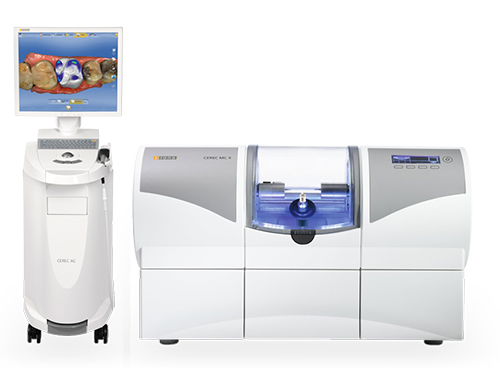
Once the digital model is complete, advanced CAD/CAM software is used to sculpt the restoration with attention to anatomy, contact relationships, and aesthetic shading. The dentist reviews and fine‑tunes the design so the restoration mirrors the shape and function of the tooth it will replace.
The approved design is then sent to a compact milling unit that carves the restoration from a solid block of ceramic while you wait. Milling produces a dense, homogenous restoration with excellent marginal integrity. After finishing and polishing, the crown or onlay is tried in and refined for fit and bite, then permanently bonded into place.
This integrated workflow reduces laboratory variability and gives clinicians direct control over color matching and tooth anatomy, helping to ensure a natural, long‑lasting result with minimal chair time.

CEREC restorations are typically milled from high‑quality dental ceramics that combine durability with lifelike translucency. These materials resist staining and wear, and when properly bonded they create a strong, integrated repair that can withstand normal chewing forces.
Long‑term success depends on routine care: regular brushing and flossing, a sensible diet, and periodic checkups so your dentist can monitor margins and bite. Avoiding habits like opening packages with teeth or chewing hard objects will also protect the restoration from damage.
If a restoration ever shows signs of chipping, sensitivity, or looseness, prompt evaluation helps resolve small problems before they become larger. With attentive home care and periodic professional checks, a well‑made CEREC crown or onlay can provide many years of service.
Candidacy for CEREC depends on the type and extent of the damage, the tooth’s position, and occlusal factors. During your consultation the dentist will examine the tooth, review X‑rays as needed, and discuss whether a single‑visit ceramic restoration is the best path forward. Conservative repairs and single crowns are commonly well suited to the CEREC workflow.
On the treatment day, the tooth is prepared and scanned with the intraoral wand. You’ll be able to see the proposed design on screen and ask questions before milling begins. While the milling unit fabricates the restoration, the team completes finishing touches — glazing, polishing, and shade adjustments — so the restoration blends naturally with adjacent teeth.
Placement is completed after a final try‑in and minor adjustments to the bite. The restoration is bonded and checked for comfort, and the dentist will review care recommendations so you know what to expect in the days and months that follow. This predictable, coordinated process makes single‑visit restorations an efficient and patient‑friendly choice for many situations.
At Smile Express Family Dentistry, our goal is to use technology that improves the patient experience without compromising clinical outcomes. If you’d like to learn more about how CEREC restorations could fit into your treatment plan, please contact us for more information.
CEREC stands for Chairside Economical Restoration of Esthetic Ceramics and refers to an integrated CAD/CAM workflow used to design and mill ceramic restorations in the dental office. Unlike traditional crown fabrication, which relies on physical impressions and offsite dental laboratories, CEREC captures a digital scan and produces the restoration on site. This shortens the timeline by eliminating the need for temporary restorations and a separate lab appointment.
The digital process also gives clinicians direct control over design details such as anatomy, occlusion, and shade adjustments before milling begins. Milling produces a homogeneous ceramic restoration from a solid block, which can then be polished and bonded in the same visit. The workflow focuses on efficiency while preserving clinical control and aesthetic outcomes.
Same‑day CEREC restorations offer convenience by completing preparation, design, milling, and placement in a single appointment, eliminating the need for temporary crowns and multiple visits. This reduces overall chair time and minimizes the risk of temporary-related issues such as poor fit or contamination. For many patients, the single‑visit approach improves comfort and streamlines treatment planning.
Beyond convenience, CEREC materials are chosen for strength and translucency, producing restorations that integrate well with adjacent teeth. The digital workflow reduces manual steps that can introduce variability, which often leads to improved marginal fit and fewer remakes. Together, these factors support predictable clinical performance and patient satisfaction with the final restoration.
The digital impression begins with an ergonomic intraoral scanner that captures detailed three‑dimensional images of the prepared tooth and surrounding tissues. Patients typically experience less gagging and discomfort compared with traditional putty impressions, and the scan can be reviewed immediately on screen for accuracy. If adjustments are needed, the clinician can refine the scan or preparation digitally before moving to the design phase.
Because the scan feeds directly into the CAD software, margins, contact points, and occlusion are evaluated with high resolution on a monitor. The proposed design can be adjusted in real time and discussed with the patient prior to milling, which improves transparency and reduces surprises. This seamless handoff from scanning to design helps ensure that the finished restoration fits precisely when it is milled and placed.
CEREC restorations are milled from high‑quality dental ceramics, including lithium disilicate and other esthetic ceramic blocks selected for durability and lifelike translucency. These materials resist staining and wear when properly processed and bonded, giving restorations both strength and an appearance that closely matches natural teeth. The choice of material depends on the restoration type, functional demands, and aesthetic goals determined by the clinician.
After milling, the restoration receives finishing steps such as glazing, characterization, polishing, and any necessary shade adjustments to blend with adjacent dentition. Final try‑in allows the clinician to verify marginal integrity and occlusion, and small adjustments are made chairside before bonding. When properly finished and cemented, ceramic restorations provide a stable, integrated repair that can withstand normal chewing forces.
Candidates for CEREC restorations typically include patients who need conservative repairs, single crowns, inlays, or onlays and who value a streamlined treatment timeline. Suitability depends on factors such as the amount of remaining tooth structure, the tooth's position, and occlusal considerations that may affect long‑term performance. The clinician will evaluate X‑rays, bite relationships, and any restorative limitations during consultation to determine whether a single‑visit ceramic restoration is appropriate.
Cases requiring extensive full‑mouth reconstruction, complex occlusal rehabilitation, or certain implant prosthetics may still benefit from laboratory workflows or additional planning steps. In those situations, CEREC can still play a role in designing temporary or provisional restorations or in planning final outcomes. Ultimately, candidacy is a clinical decision made to balance conservation, function, and aesthetics for each patient.
At a CEREC appointment the process begins with local anesthesia and tooth preparation to remove decay or old restorative material and to shape the tooth for the restoration. The prepared tooth is scanned with the intraoral wand, creating a detailed digital model that the dentist uses to design the restoration on screen. Once the design is finalized, the file is sent to an in‑office milling unit that carves the restoration from a ceramic block while the patient waits.
When milling and finishing are complete, the restoration is tried in, adjusted for contacts and occlusion, and then permanently bonded using adhesive cementation protocols. The dentist verifies the bite and makes any minor refinements before polishing the restoration to a natural luster. The patient leaves with a final, bonded restoration and instructions for care and follow‑up monitoring.
Care for a CEREC restoration follows the same principles as natural teeth: maintain a routine of twice‑daily brushing with a fluoride toothpaste and daily flossing to keep margins free of plaque and debris. Regular dental checkups and professional cleanings allow the clinician to monitor the restoration, evaluate margins, and address any emerging concerns early. Avoiding excessive forces such as biting hard objects helps protect the ceramic from chipping.
If you experience persistent sensitivity, discomfort on biting, or notice any roughness or visible defects, schedule an evaluation so minor issues can be corrected before they progress. With attentive home care and periodic professional assessment, well‑made ceramic restorations can provide long service. The dentist will provide tailored maintenance advice based on the restoration type and your individual oral health needs.
CEREC is an excellent option for many restorative cases, but there are limitations where alternative approaches may be preferred. Teeth with extreme structural loss, complex multi‑unit prosthetics, or challenging occlusal schemes may require laboratory fabricated solutions or additional stages of treatment to ensure long‑term success. Similarly, certain esthetic cases that demand specialized staining or layering techniques might be better suited for lab‑processed restorations.
Patients with parafunctional habits such as severe bruxism may need protective measures like night guards or alternative restorative materials to reduce the risk of ceramic failure. The clinician will consider functional demands, esthetic expectations, and overall treatment planning before recommending CEREC or another restorative pathway. A thorough clinical assessment helps match the best technique to each patient’s needs.
CEREC improves accuracy by using high‑resolution digital scanning and CAD software to capture and analyze margins, contact points, and occlusion with precision. The digital design removes several manual steps inherent in traditional workflows, reducing cumulative sources of error such as impression distortion or model trimming. Real‑time visualization allows the clinician to make adjustments before the restoration is fabricated, which increases predictability at placement.
Because milling produces a restoration from a single, dense ceramic block, marginal integrity and homogeneity are often superior to restorations that rely on multiple lab processes. Direct clinician control over design and finishing also helps ensure that anatomy and shade match clinical goals. Together, these factors contribute to a more predictable fit and fewer remakes in appropriately selected cases.
At the office of Smile Express Family Dentistry, CEREC is used to streamline restorative appointments and reduce the need for temporary restorations and multiple visits. The team integrates digital scanning, chairside design, and in‑office milling into a coordinated workflow that emphasizes fit, occlusion, and esthetic integration. This approach helps patients complete restorative treatment efficiently while maintaining clinical oversight at every step.
Clinicians in the practice use the digital tools to involve patients in the decision‑making process by reviewing proposed designs and explaining expected outcomes before fabrication begins. After placement, the dentist provides individualized care recommendations and schedules appropriate follow‑up to monitor the restoration. The goal is to combine modern technology with conservative restorative principles to deliver reliable, long‑lasting results.
Quick Links
